
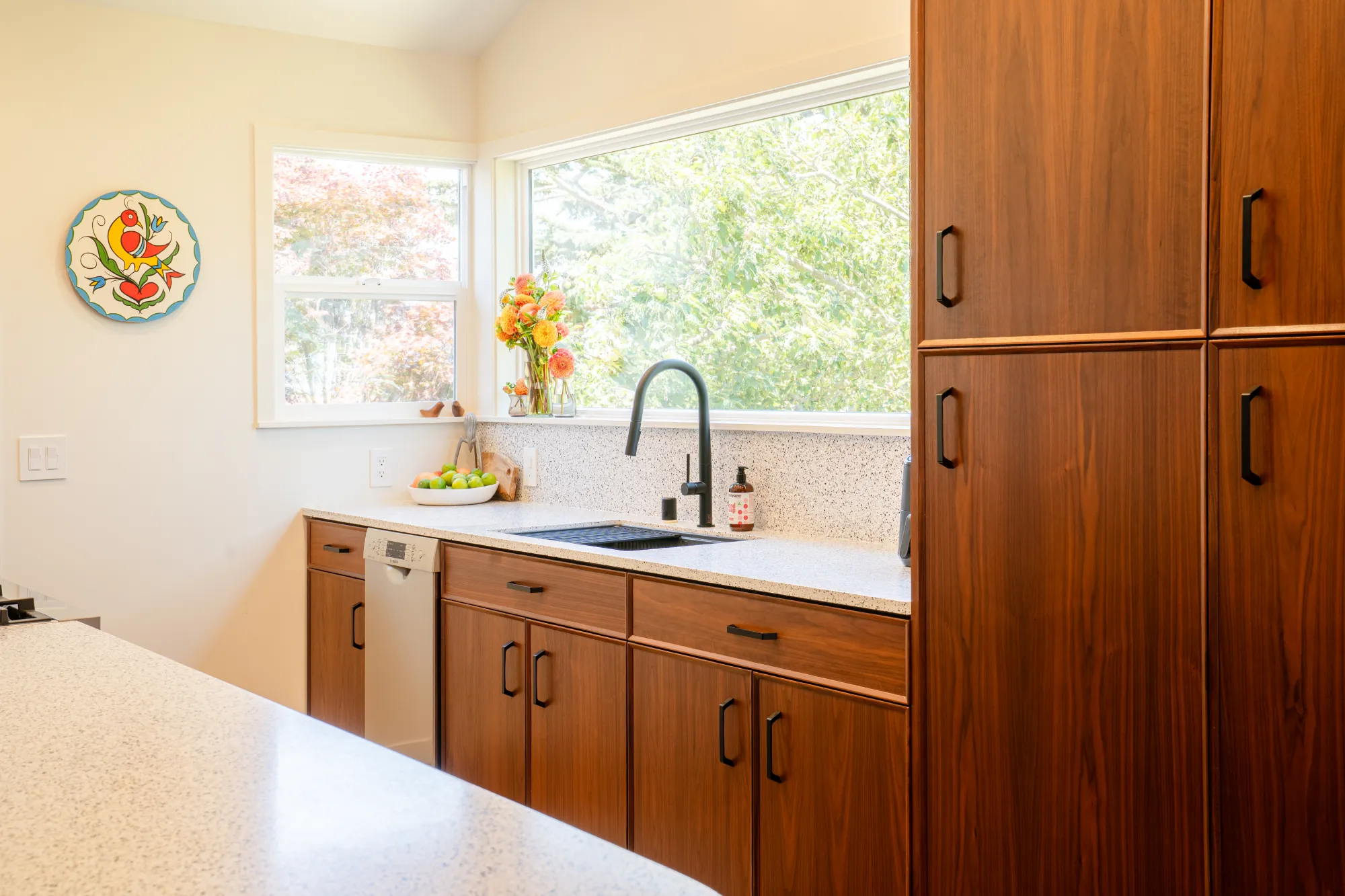
Planning cabinets for a San Francisco condo involves the kitchen layout, building requirements and delivery access. Mod Cabinetry's Berkeley team helps with cabinet design, ordering and delivery coordination. Its senior designers have 10+ years of kitchen design experience, and master designers have 20+ years. Building restrictions belong in the conversation before the cabinet plan is finalized.
Building requirements can affect when work happens, how deliveries reach your condo and which approvals you need before starting.
Your property manager or homeowners association can explain the current renovation requirements. Share those with your contractor, along with whether you plan to keep the cabinet positions or change the layout.
Useful questions include:
These are questions to ask about your own building. Requirements vary, and an arrangement used for another condo may not apply to yours.
Permit requirements depend on the proposed work and building type, so your contractor needs to confirm them before construction is scheduled.
San Francisco's kitchen and bath permit guidance explains that its online permit route has limits, including the building classification and whether plans are required. Do not assume a condo qualifies for that route because the work is inside one kitchen.
Changes to plumbing, electrical work or walls can affect where cabinets and appliances go. Your contractor needs to know about those plans. If the layout changes during permit review, make sure the cabinet designer receives the revised plan before the order is finalized.
Keep building approval and city permitting on your checklist. Ask the property manager and contractor to confirm their respective requirements.
Cabinets need to fit through the delivery route as well as inside the kitchen, including any packaging they arrive in.
All Mod Cabinetry collections arrive fully assembled. That makes access worth discussing while the design can still be adjusted. A cabinet that fits its final position also needs a workable route from the delivery point to the kitchen.
Walk the route with your contractor or receiving team:
Tall cabinets and large units deserve attention early in planning. You will need to confirm what the delivery crew can handle, including stairs or any proposed dismantling.
A shared delivery plan helps the supplier, receiving team and building manager agree on when the cabinets can arrive and who will handle them.
Review Mod Cabinetry's delivery and storage instructions for your collection. Handling arrangements differ between collections, so confirm where the carrier's service ends and your receiving team's work begins.
If your building uses a service elevator, ask how reservations work and what happens if the delivery time changes. Identify a place where the cabinets can be checked and kept safely before installation. Confirm that the space is available before the order arrives.
For curb access, ask the delivery or construction team whether a permit is needed and which city process applies. SFMTA's temporary signage program covers uses such as moving vans. Construction-related street use may follow a different permit process, so check the intended use before applying.
Your cabinet designer and contractor need the same current drawings, while you confirm the building's approval and access arrangements.
Mod Cabinetry helps with cabinet design for San Francisco homes, including condos. Senior designers have 10+ years of kitchen design experience, and master designers have 20+ years. The team supports cabinet selection, ordering and delivery coordination. Your contractor or independent installer manages the installation work you have agreed to.
Record the division of work in the installation agreement. CSLB's contract guidance recommends specifying the work, materials, timing and responsibility for permits. Include building access tasks when they form part of the installer's job.
If you are keeping the existing kitchen arrangement, explain what still needs to improve. If you want to move cabinets or appliances, raise the change before the plan is settled. Review the steps for planning your cabinets with your designer and discuss how your building’s requirements affect the plan.
Confirm your exact scope with San Francisco's Department of Building Inspection or your contractor. Cabinet replacement can be part of a larger renovation, and permit exemptions depend on the work. Avoid using a general answer as approval for your particular project.
Only plan early delivery if you have suitable storage and have confirmed the receiving arrangements. Ask the supplier about storage requirements and any available storage service or charges. Note visible damage or shortages on the delivery paperwork before signing. Inspect the cabinets and report concerns within the stated deadlines, before installation.
A senior designer at Mod Cabinetry reviews the plans and each cabinet order before production. Provide the latest approved layout and tell the team about changes made during construction or building review. That review supports the cabinet order; it does not replace your contractor's site responsibilities.
Yes, an early conversation can help you explore the cabinet choices and layout. Tell the designer which decisions are still awaiting approval. Confirm the final plan and any restrictions before committing to an order.
Crystal Collins is an owner and Design Director at Mod Cabinetry in Berkeley, with 25+ years of kitchen design experience. She established the business’s kitchen design department before becoming an owner. Today, she helps homeowners work through kitchen layouts, cabinet choices and material selections.